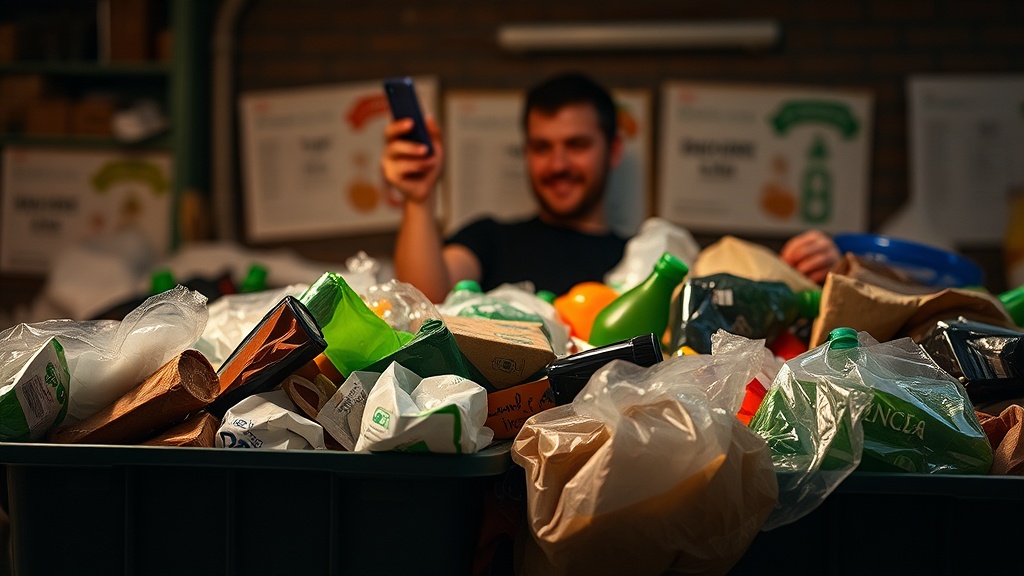
How to Navigate Magog's Recycling Rules Without the Confusion

Why Does Magog's Recycling Feel More Complicated Than It Should Be?
Most of us assume recycling is straightforward—blue bin, toss it in, done. But if you've stood at your kitchen counter in Magog holding a yogurt container and wondering whether it belongs in the recycling, the compost, or the trash, you're not alone. The rules have shifted over the years, and what was acceptable in 2019 might earn you a rejection sticker on your bin today. Understanding Magog's current waste management system isn't just about following rules—it's about keeping our community's landfill usage down, protecting Lake Memphremagog's watershed, and making sure our tax dollars aren't spent sorting through contaminated loads that end up rejected entirely.
Here's the truth: Magog follows the provincial Recyc-Québec guidelines, but our municipality has specific local requirements that differ slightly from neighbouring Sherbrooke or even nearby Omerville. The confusion usually stems from those small differences—what's accepted at the curb versus what needs to drop-off at the Magog Ecocentre on Rue de l'Aéroport. Let's cut through the noise and get clear on what actually belongs in that blue bin.
What Can I Actually Put in My Blue Bin in Magog?
The recycling landscape in Magog breaks down into three main categories: containers, fibers, and metals. But within those categories are specific rules that trip people up. Plastic containers numbered 1, 2, and 5 are accepted—think water bottles, milk jugs, and margarine tubs. Numbers 3, 4, 6, and 7? Leave them out. That includes styrofoam meat trays (even the ones with recycling symbols), plastic bags, and that clamshell packaging from your takeout on Principale Street.
Here's where it gets tricky for Magog residents. Pizza boxes are recyclable—but only if they're clean. A grease stain or two is fine, but leftover cheese or sauce renders the entire box contaminated. Tear off the clean lid and recycle it; the greasy bottom goes in the compost bin (if you use the municipal brown bin program) or the trash. Speaking of fibers, newspapers, magazines, and office paper are all accepted. But shredded paper? That belongs in a clear plastic bag placed inside your recycling bin—loose shreds jam the sorting machinery at the processing facility in Sherbrooke.
Metal cans and aluminum foil are accepted, but they need to be relatively clean. A quick rinse is sufficient—you don't need to run them through the dishwasher. Glass bottles and jars from Magog households go in the blue bin, but broken glass does not. Broken glass belongs in the trash, wrapped securely to protect collection workers. And those returnable beer and wine bottles? You're better off returning them to the SAQ or dépanneur for your deposit back rather than tossing them in recycling.
Where Do I Take Items That Don't Belong in the Blue Bin?
Magog's curbside program has limits, and that's where the Ecocentre on Rue de l'Aéroport becomes your best resource. Electronic waste—old phones, computers, televisions—has been banned from Quebec landfills since 2013, but you can't leave them at the curb. The Ecocentre accepts these items free of charge, and they're processed through Recyc-Québec's electronic waste program.
Large cardboard boxes—like the ones from your recent IKEA run or that new appliance delivery—should be broken down flat and brought to the Ecocentre rather than crammed into your blue bin. The same goes for construction materials, scrap metal, and tires. These items damage collection trucks and sorting equipment when placed curbside. The Ecocentre operates on specific hours (typically Tuesday through Saturday, though you should check the city's website for seasonal changes), and residents need to show proof of Magog residency.
Batteries—both household alkaline and rechargeable—have their own collection stream. Many businesses along Principale Street participate in the Call2Recycle program, including Canadian Tire and some pharmacies. Keeping batteries out of your regular trash isn't just about following rules; when crushed in collection trucks, they can spark fires. Textiles and clothing in usable condition should head to donation bins or local charities rather than the Ecocentre, but worn-out textiles (ripped jeans, stained towels) can often be recycled through specific drop-off programs—check with Recyc-Québec for current textile recycling locations in our region.
How Do I Avoid Common Recycling Mistakes That Contaminate Loads?
Contamination is the silent killer of recycling programs. When Magog residents toss non-recyclable items into blue bins, entire truckloads can be rejected at the processing facility—sending everything to landfill instead. The most common contaminants we see in our community: plastic bags (they wrap around sorting machinery), food residue (one dirty peanut butter jar can spoil a batch), and "wishcycling"—tossing items we hope are recyclable without verifying.
Plastic bags are perhaps the most misunderstood item. While they're technically recyclable, they require specialized processing that Magog's curbside program doesn't provide. Take them back to the grocery store—most retailers along Rue Sherbrooke have collection bins near the entrance. This includes bread bags, produce bags, and the plastic wrap from toilet paper multi-packs. When in doubt, use the "poke test"—if you can poke your finger through the plastic easily, it's probably not recyclable curbside.
Food residue is another major issue. You don't need to wash containers until they're spotless—a quick rinse or scrape is sufficient. But that half-full jar of spaghetti sauce? Dump the contents first. The same goes for takeout containers from your favourite Magog restaurant on Rue Principale Ouest. Rinse them out, or they contaminate paper fibers in the same load. And please, no propane tanks, needles, or hazardous chemicals in any bin—these pose serious safety risks to collection workers and require special disposal through designated hazardous waste programs.
What About Magog's Compost and Green Waste Programs?
Magog has operated a brown bin composting program for several years now, and participation has grown steadily. The program accepts food scraps, soiled paper products (napkins, paper towels, greasy pizza boxes), and yard waste during specific collection periods. If you haven't received your brown bin, contact the city's environment department at the Hôtel de Ville on Rue Principale Est. The program operates seasonally, typically from April through November, with different collection frequencies than regular garbage and recycling.
Fall leaves present their own challenges in Magog. You can bag them in paper yard waste bags (available at most hardware stores in town) for curbside collection during designated weeks, or bring them to the Ecocentre. Never place loose leaves at the curb—they clog storm drains on streets like Rue Merry Nord and create slip hazards for pedestrians. Christmas trees in January follow a similar pattern—curbside collection during specific weeks, or drop-off at the Ecocentre. Remove all decorations, tinsel, and stands first.
Brush and branches from yard work need to be tied in bundles no longer than 1.2 meters for curbside collection. Larger amounts from major tree work should go directly to the Ecocentre. The city also operates occasional special collection events for items like bulky furniture and appliances—watch for announcements in the local bulletin, the Magog municipal website, or community Facebook groups. These events save you a trip to the Ecocentre and ensure proper disposal or recycling of large items.
Getting recycling right in Magog isn't about being perfect—it's about being informed. When we all follow the same guidelines, we reduce contamination, lower processing costs, and keep our community cleaner. The few minutes spent checking what's acceptable saves hours of headaches down the line. Keep a copy of the city's recycling guide on your fridge, bookmark the Recyc-Québec materials directory on your phone, and don't hesitate to ask questions at the Ecocentre when you're unsure. Our blue bins are only as effective as what we put in them.